Mindful Growth: international agritourism conference
Mental Health and Agritourism
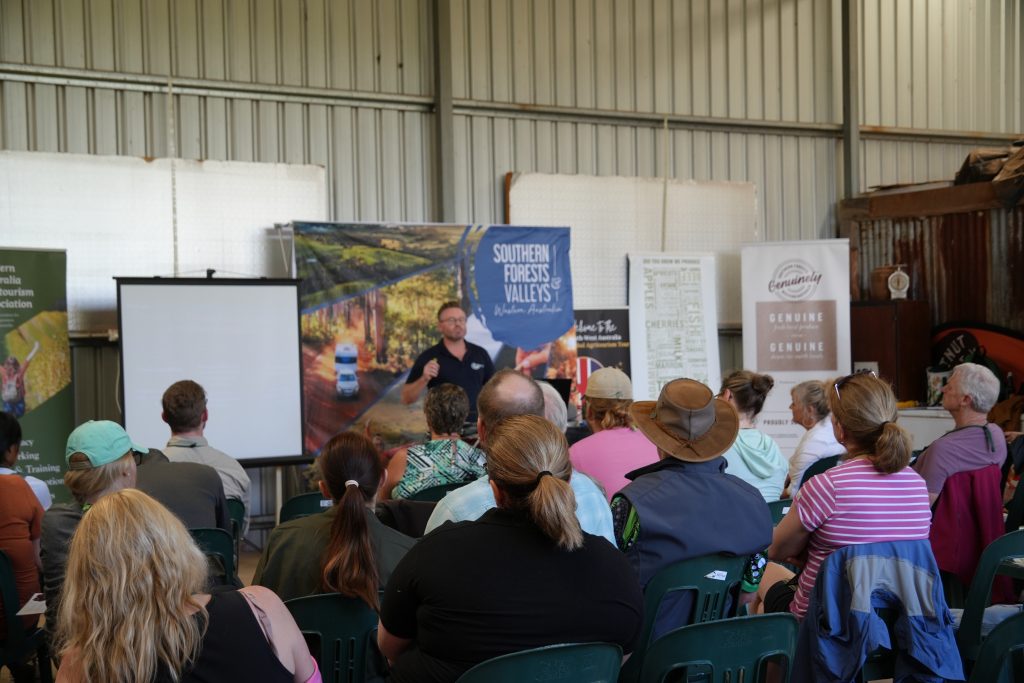
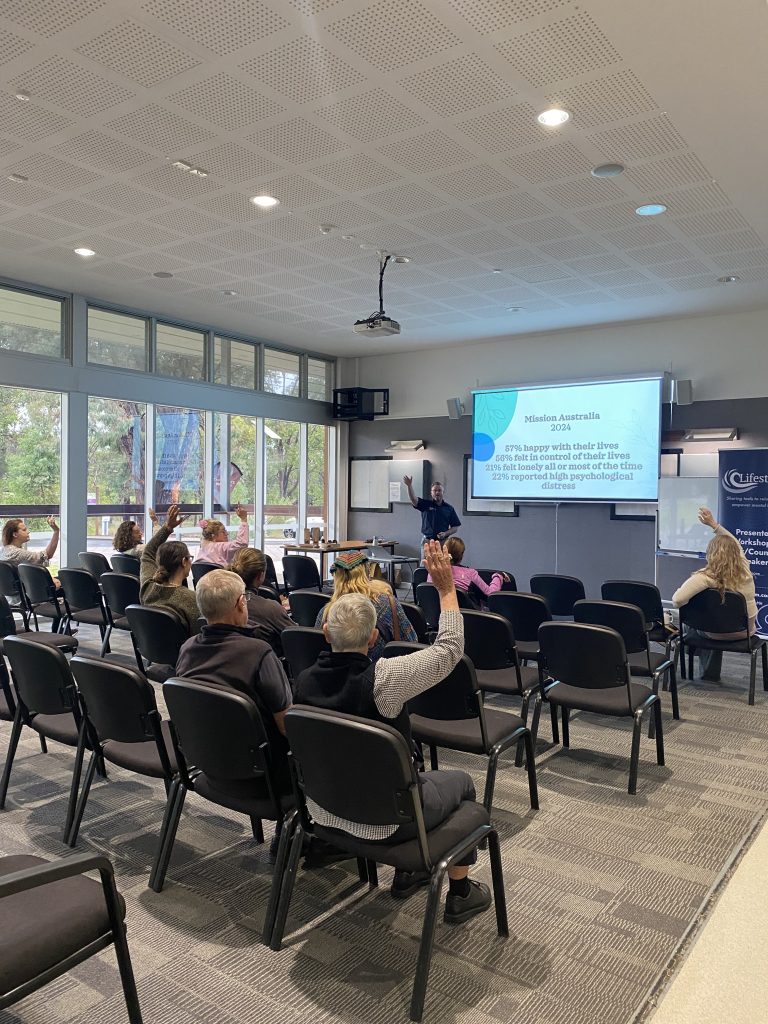
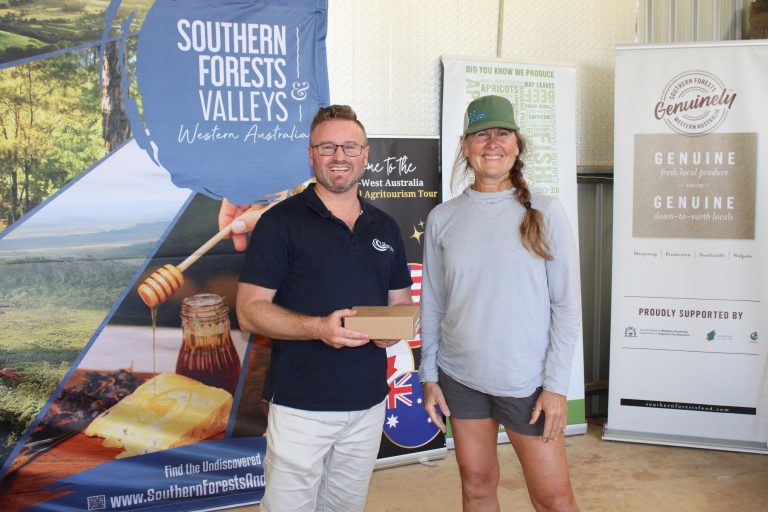
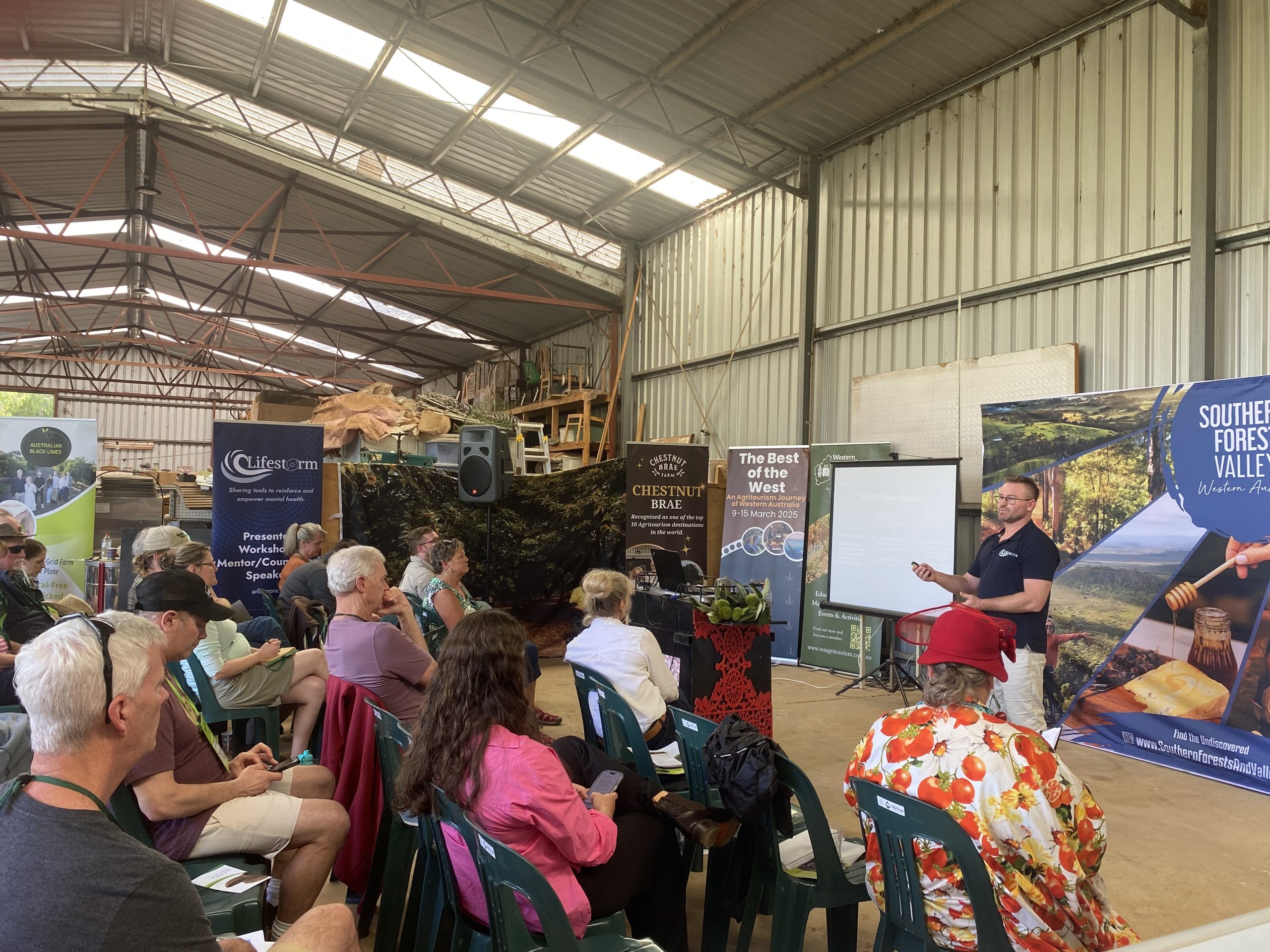
Last Friday, I had the incredible opportunity to speak at the International Agritourism Congress, where we explored a growing yet often overlooked topic: the intersection of mental health and agritourism. It was inspiring to connect with business owners, farmers, and industry leaders who are eager to embrace mental well-being as a core part of their offerings.
Agritourism businesses are uniquely positioned to support mental health through nature, connection, and experiential activities. From guided mindfulness walks to tech-free green spaces, the potential for agritourism to improve individual and community well-being is immense. The key is understanding how these initiatives can benefit not just individuals, but businesses and communities as a whole.
Why Mental Health & Agritourism Go Hand-in-Hand
Studies have shown that green space exposure plays a crucial role in reducing stress, improving mood, and enhancing overall well-being. According to research from South Korea, time spent in nature significantly decreases cortisol levels, the stress hormone, and increases positive emotions.
We’ve all felt it—the calm that comes from walking through a farm, the clarity that follows a deep breath of fresh air, or the sense of peace from working with our hands in the soil. These aren’t just fleeting moments; they are scientifically backed benefits that agritourism businesses can integrate into their experiences.
National and Global Mental Health Symbols in Agriculture
During my talk, I highlighted three significant mental health symbols that have deep agricultural connections:
- Flannel Flower (Actinotus Helianthi): This Australian native plant is a national symbol for mental health awareness. Like those who work the land, it thrives in challenging environments, representing resilience and strength.
- The Blue Tree Project: Originating from a heartfelt prank that turned into a national movement, blue trees have become symbols of hope, connection, and suicide prevention. These trees encourage open conversations about mental health and remind us to check in with loved ones.
- The Green Ribbon: An internationally recognised symbol for mental health awareness, wearing a green ribbon signals support, remembrance, and a commitment to breaking the stigma.
By incorporating these symbols into agritourism experiences, businesses can align with a broader cultural shift towards mental health awareness while reinforcing their values to visitors.
The Business Case for Mental Well-Being in Agritourism
Mental health initiatives aren’t just good for individuals; they also provide tangible benefits for businesses and communities. During my presentation, I explored three key areas of impact:
For Individuals: Reduced stress, improved mood, increased resilience, and better physical health.
For Businesses: Enhanced employee retention, increased productivity, improved customer experience, and financial benefits from aligning with global wellness trends.
For Communities: Stronger social connections, higher economic stability, and increased community engagement.
How Agritourism Can Lead the Way
So, how can agritourism businesses actively integrate mental well-being into their offerings? Here are some practical ideas:
 Guided Mindfulness Gardening: Teaching visitors how to grow food while incorporating mindful practices.
 Forest Bathing & Meditative Walks: Encouraging slow tourism and connection with nature.
 Therapeutic Animal Interactions: Offering hands-on experiences with animals known to reduce stress.
 Farm-to-Mind Wellness Retreats: Seasonal programs focusing on fresh produce, nourishment, and mental well-being.
 Tech-Free Green Spaces: Creating designated areas on the farm where visitors disconnect from screens and reconnect with themselves.
Real Impact: What Delegates Had to Say
Hearing feedback from international delegates was incredibly rewarding. One UK farmer shared how the talk inspired him to introduce tech-free green zones on his farm, while a US agritourism business owner appreciated the practical steps she could implement immediately. One of the most humbling reviews came from an international speaker and owner of one of the world’s top 10 agritourism destinations (awarded in 2024), who said:
“Christopher’s presentation was one of the highlights of the congress. Delegates told me it changed what they will do in their business. This excellent presentation changed people’s lives.”
Looking Ahead
As mental health continues to be a global priority, agritourism has the opportunity to lead the way in promoting well-being through nature-based experiences. Whether it’s through education, hands-on activities, or simply providing a place of refuge and reflection, agritourism businesses can create lasting change for their visitors, employees, and communities.
If you’re interested in learning more about how to integrate mental health into your agritourism business, or if you’d like to explore how my workshops and keynote presentations can support your team, let’s start the conversation. Because together, we can cultivate not just crops, but resilience, connection, and hope.