Teen Mental Health
Normalising Mental Health Conversations with Teens: LifeStorm at the Nannup Wellness Expo
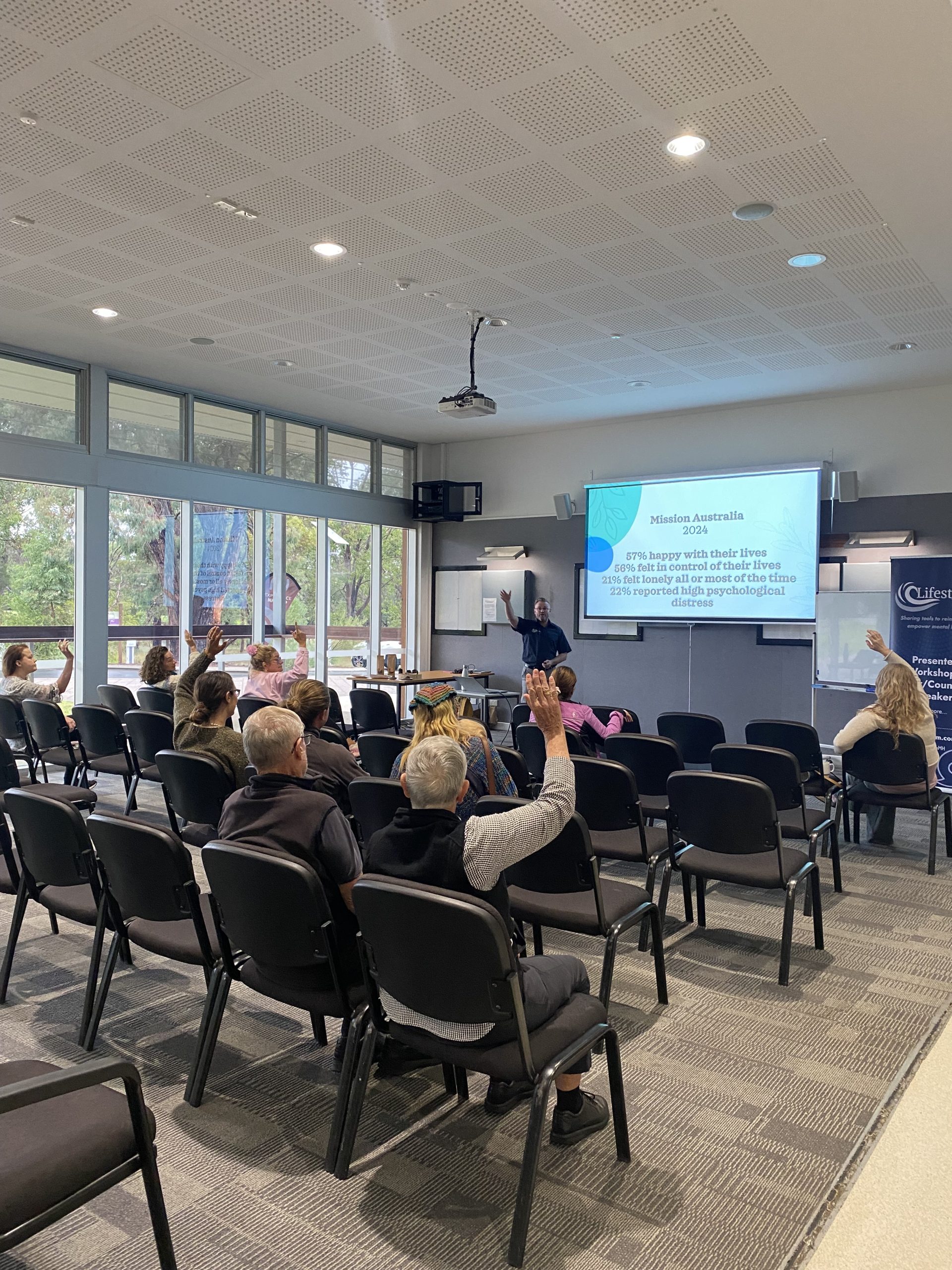
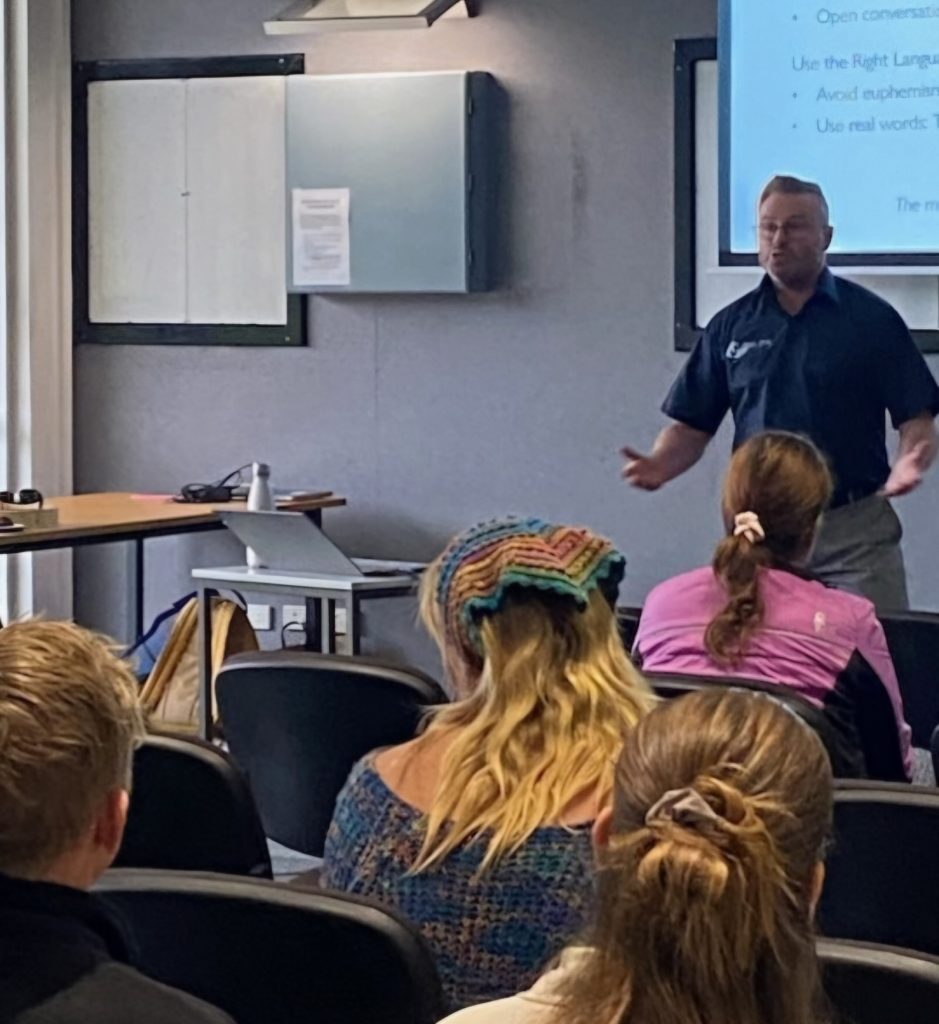
At the first-ever Nannup Wellness Expo, organised by Nanna’s Pantry, I had the privilege of delivering a teen mental health presentation designed to open up honest conversations around youth wellbeing. As a counsellor with over two decades of experience working with young people in recreation and coaching, I understand how vital it is to meet youth where they’re at—and provide real, practical tools for navigating life’s challenges.
The presentation focused on three key areas:
- Understanding Mental Health in Youth
- Addressing the Stigma
- Empowering Teens with Tools for Resilience
We kicked things off by tackling stigma head-on—comparing it to the way some villains in literature gain power simply because no one dares to speak their name. In the same way, mental health issues become more dangerous when we avoid talking about them. It’s time we took away that power. Using clear language, like saying the word suicide rather than euphemisms, is one way to break that silence.
The Reality Behind the Stats
While statistics might not be the most exciting part of a presentation, they shine a light on the urgent reality facing our young people:
- 38.3% of people aged 16–24 live with a mental health disorder.
- Almost ¾ of adolescents experience depression or anxiety (Murdoch Study).
- 27% of eating disorder cases in Australia are among those aged 10–19—a figure that has nearly doubled since 2012.
- Mission Australia’s 2024 Youth Survey showed that only 57% of young people feel happy with their lives and 21% feel lonely most or all of the time.
These numbers highlight a generation under pressure—caught between growing independence and disconnection from real-world anchors, often replacing them with curated online realities and social media influence.
What Teens Are Telling Us
When asked how teens manage their mental health, ‘Mission Australia’ report:
- 53% turn to entertainment and recreation
- 48% use distraction
- 45% rely on sleep
- 43% focus on self-care
It’s a clear sign they are seeking balance—but may need support to build deeper coping skills and emotional awareness.
Changing the Narrative
At LifeStorm, we’re working in primary and high schools to normalise mental health conversations early. We believe emotional wellbeing should be treated just like physical health—something to care for every day, not only when a crisis hits. There are no “wrong” emotions—only different ways to process and understand them.
As parents, teachers, and community members, we must lead by example. Admitting when we’re struggling, openly discussing our own stress, and showing that it’s okay not to be okay—all help youth feel safe to do the same. Because actually listening to our young people might be the most powerful thing we can do.
Let’s Keep the Conversation Going
This presentation wasn’t just about education—it was a call to action. To fight stigma. To provide tools. And to build a legacy of resilience.
If you’re a school, business, or organisation interested in hosting a LifeStorm mental health workshop or presentation, we’d love to hear from you. Together, we can create a culture where mental health is treated with the same importance—and care—as any other aspect of wellbeing.