My (Super)hero Complex
by Chris Johnson
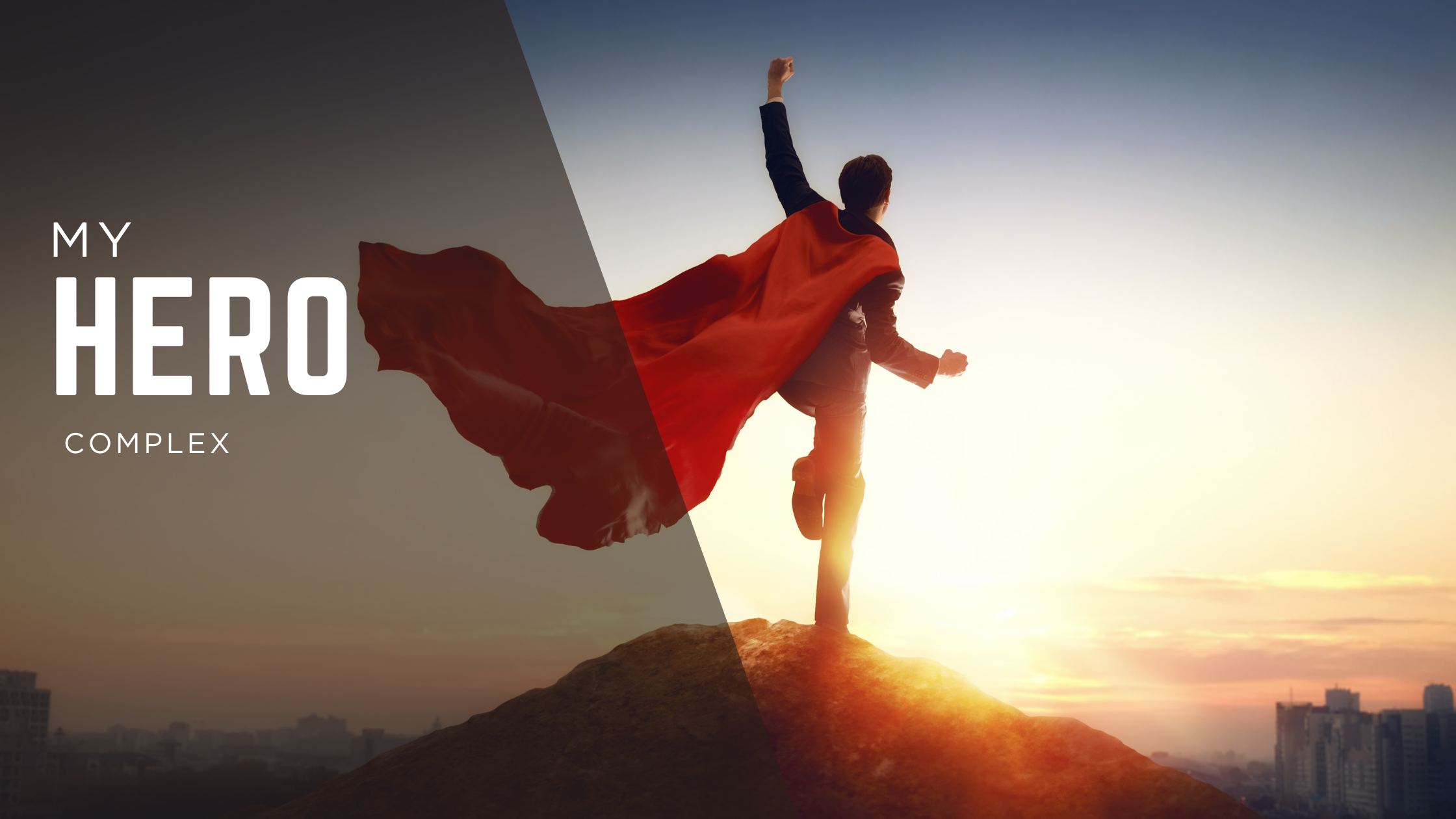
By “complex”, I am unfortunately not talking about Stark Tower or the Batcave. That would be nice.
In my younger years, I absolutely dreamed about flying, saving the day and being destined for something more than work and study.
I have always wanted to help. To save. To be the hero.
So, I did what I could. I tried to help people and be the nice guy to everyone. Knowing that even a small hurt could cut deeply, I never wanted to cause anyone pain because I could never know what injuries they were already hiding.
But my imagination would run wild.
I imagined flying over streets and cities, attending accidents, helping emergency responders, arriving when the bad guys appeared and heading into danger to save those less fortunate than me—the superhero.
But does that have to exist only in fantasy?
There are real people who run towards danger. They protect others, respond to medical emergencies and put themselves at risk to help people in need.
I never went down any of those roads.
My desire to help also affected my relationships.
A brief disclaimer: this is not intended as an insult towards any of my former partners. I genuinely wish the best for everyone from my past.
However, I repeatedly became attached to people who appeared to need “help” in some way.
That was not good for me, and it was not good for the relationships. It may have helped the other person to a degree, but it was not healthy or sustainable in the long term.
Eventually, it became a pattern.
I am not suggesting these relationships were healthy in any way, shape or form. However, I also do not blame the women involved. I filled a gap or met a need they had. If anything, that probably made it more my responsibility than theirs.
The truth is, they were also filling a gap in my life.
This realisation was completely self-diagnosed—and no, I do not mean through Dr Google. It was something I recognised and acknowledged within myself.
I should probably pat myself on the back here. Recognising our own patterns and flaws without becoming overly critical can be an effective step towards making positive changes.
To make this story entertaining while also highlighting where I went wrong, I discovered that there is something commonly referred to as a hero complex.
A hero complex is generally understood as a strong desire to be the person who saves the day—the one who steps in, solves the problem and emerges as the hero in any situation.
Yeah, that is not exactly me.
Especially the part about always believing you will come out on top and never considering failure.
The irony is not lost on me.
Perhaps I could be Irony Man.
So, why did I label myself this way for so long?
I think the simplest explanation is that I needed to be needed.
Over time, I found other ways to meet that need. Ways that were more constructive and far healthier than trying to rescue people through personal relationships.
One problem I have always had, particularly within coaching and personal development spaces, is the presence of so-called snake-oil salespeople.
When I first became a coach, a few years before becoming a counsellor, I worried that much of what I was learning seemed fairly basic. There did not appear to be a secret trick or extraordinary skill involved.
Sometimes, it seemed to be a matter of writing or talking about what people should be doing and then—bam, whack—a price tag on it.
This created a conflict for me.
I wanted to support people who needed help. I wanted to offer direction to those who felt lost. But I also wanted to remain honest and sincere without becoming like the people I was so quick to judge.
We are all flawed. I am simply arrogant, open and honest enough to speak about some of mine.
To avoid turning a long story into a marathon, I eventually realised that I needed to find healthier ways to fill the void.
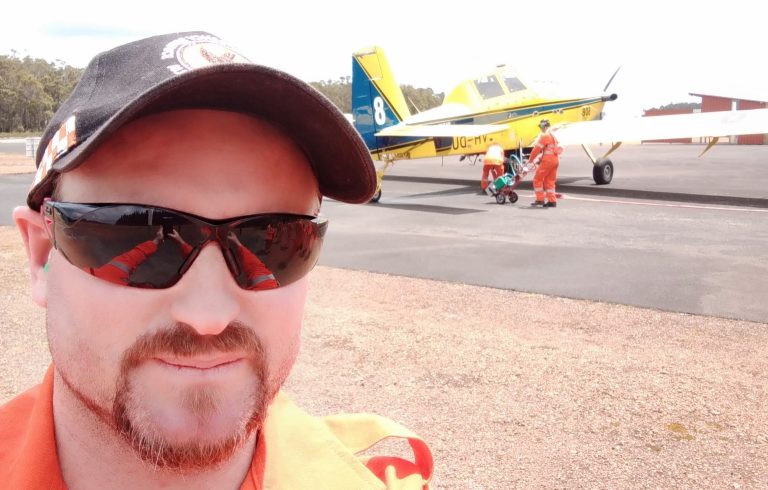
I joined the State Emergency Service.
I became a counsellor.
I even served as a peer support officer in a previous workplace.
Then came my most significant change: shifting careers after almost 21 years in the aquatic and recreation industry.
During those years, I worked as a swimming teacher, lifeguard and, eventually, a pool operator. The industry gave me many wonderful memories and friendships. It also took me to different parts of Western Australia—not constantly, but certainly more than many people have the opportunity to experience through their work.
Eventually, I had the opportunity to move to the town in the South West where I had always wanted to live. I secured a full-time position at the local recreation centre, but I knew there was more I could do.
More I needed to do.
I began studying for my Diploma of Counselling online.
A few years into my role at the recreation centre, a storm damaged the facility. Repairs were completed, but the engineer approved the work for only 12 months. This meant that the roof would eventually need to be replaced entirely.
As the deadline approached, plans were developed and contracts were organised. I was told that I would be offered another role within the organisation because the aquatic section of the facility would be closed for at least a year.
I had already spent a couple of months working in the gardens during the COVID-19 closure periods.
Did I enjoy it? Absolutely.
But it was not what I wanted to do with my future.
My counselling course was due to finish within a few months, and I had accumulated annual leave and long service leave.
So, I took a leap of faith.
I made a decision based not only on what was secure or familiar, but on what I genuinely wanted for my future.
There were challenges, of course.
There was also more time with my family.
After all of that, I found myself in a new industry, running my own business and directly helping people in a healthier and more meaningful way.
I had not developed superpowers. I was not flying over cities or racing into danger wearing a cape.
I had simply found a better way to help.
The desire to support others was never the problem. The challenge was learning that helping someone does not mean rescuing them, taking responsibility for their life or needing to become the hero of their story.
Sometimes, helping means listening.
Sometimes, it means offering guidance or walking beside someone while they find their own way forward.
And sometimes, it means recognising that you cannot save everyone—and that it was never your responsibility to do so.
For me, counselling provided a healthier place for that part of myself.
It allowed me to help people without needing to be their hero.
Instead, I could support them as they discovered that they had the ability to become their own.