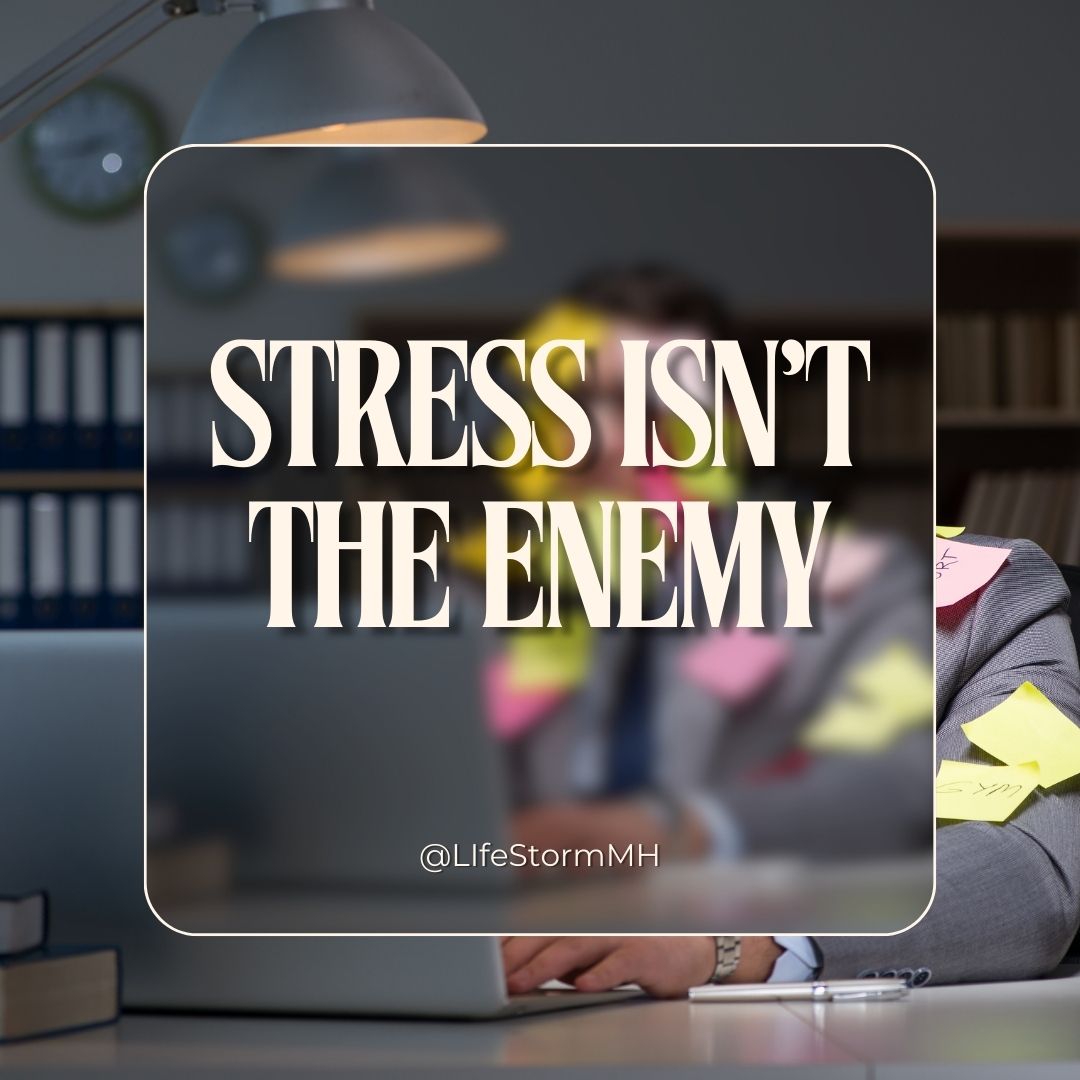
Stress Isn’t the Enemy – But Ignoring It Is
Stress gets a bad reputation.
We talk about it as something to eliminate, avoid, or “push through”. But stress itself isn’t the problem. Stress is a normal part of being human. It helps us prepare, focus, and respond to challenges.
The real issue isn’t stress — it’s chronic, unmanaged stress.
When stress is ignored, minimised, or constantly pushed aside, it builds quietly in the background. Over time, it can affect mood, health, relationships, learning and performance.
Understanding stress — and learning how to manage it — is a life skill, not a weakness.
Healthy stress vs unhealthy stress
Not all stress is bad.
Healthy stress can:
- Help us focus
- Increase motivation
- Prepare us for challenges
- Improve performance in short bursts
This type of stress usually comes and goes. Once the situation passes, the body settles.
Unhealthy stress happens when pressure is constant and recovery never really occurs. This is when stress stops helping and starts harming.
Warning signs stress is becoming a problem
Stress doesn’t always show up dramatically. Often, it appears gradually and is easy to dismiss.
Common signs include:
- Changes in sleep (too much, too little, poor quality)
- Irritability or feeling constantly on edge
- Difficulty concentrating or remembering things
- Withdrawing from people or activities
- Feeling overwhelmed by small tasks
For students, this might look like disengagement, avoidance or emotional outbursts.
For adults, it can show up as exhaustion, reduced patience or burnout.
These aren’t personal failings — they’re signals.
Why teaching stress skills early matters
When people don’t understand stress, they often blame themselves.
“I should be coping better.”
“Everyone else seems fine.”
“Why can’t I just push through?”
When we learn how stress works in the body and mind, the shame reduces. Stress becomes something to respond to — not something to hide from.
Teaching stress skills early helps young people and adults:
- Recognise stress before it escalates
- Respond instead of react
- Recover more quickly
- Build long-term resilience
Stress management isn’t about removing pressure from life. It’s about knowing how to reset.
Simple, practical tools for managing stress
Stress management doesn’t need to be complicated. Small, consistent strategies make the biggest difference.
1. Breathing techniques
Slow, intentional breathing tells the nervous system it’s safe to calm down.
Try this:
- Breathe in through your nose for 4 seconds
- Breathe out slowly through your mouth for 6 seconds
- Repeat for 1–2 minutes
This can reduce stress responses in real time — before things escalate.
2. Body awareness
Stress lives in the body as much as the mind.
Notice:
- Tight shoulders
- Jaw clenching
- Shallow breathing
- Restlessness
Simply noticing these signs and gently adjusting posture, breathing, or movement can interrupt the stress cycle.
3. Time boundaries
Stress increases when everything feels urgent.
Helpful boundaries include:
- Clear start and finish times for work or study
- Short breaks between tasks
- Limiting multitasking where possible
Boundaries don’t mean doing less — they mean doing things with intention.
4. Rest without guilt
Rest is not a reward for productivity. It’s a requirement for wellbeing.
Rest might look like:
- Stepping outside
- Quiet time without screens
- Gentle movement
- Doing something enjoyable without an outcome
Learning to rest without guilt is one of the most protective stress skills we can develop.
Stress management is a life skill
Stress will always be part of life — at school, at work, and in relationships. The goal isn’t to eliminate it, but to understand it and respond effectively.
When people are given permission and tools to manage stress, they:
- Cope better
- Recover faster
- Communicate more clearly
- Feel more in control
Managing stress isn’t a sign of weakness.
It’s a sign of self-awareness, responsibility, and resilience.